Description
Tirzepatide has quickly become one of the most talked-about peptides in the world of metabolic health, body recomposition, and advanced performance enhancement. Originally developed as a treatment for type 2 diabetes, it’s now gaining widespread attention for its powerful fat-loss capabilities and potential benefits in appetite regulation, blood sugar control, and even cardiovascular health.
As the popularity of GLP-1 receptor agonists like semaglutide (Ozempic) has surged, tirzepatide has emerged as a next-generation advancement — offering dual action on both GLP-1 and GIP receptors, which may enhance both weight loss and insulin sensitivity far beyond traditional therapies.
Whether you’re curious about using tirzepatide for weight loss, performance, or therapeutic health benefits, this beginner’s guide breaks it all down: how it works, what to expect, how to use it safely, and how it compares to other peptides like semaglutide and CJC-1295.
Benefits of Tirzepatide for Beginners :
For those new to peptides or seeking advanced metabolic support, tirzepatide offers a unique blend of therapeutic and performance-based benefits. While not a traditional fat burner or anabolic compound, its ability to regulate insulin, reduce hunger, and improve body composition makes it a powerful addition to a weight loss or recomposition plan.
- Clinically Significant Fat Loss
- Appetite Suppression Without Stimulants
- Improved Insulin Sensitivity and Glucose Control
- Cardiometabolic Support
Tirzepatide Dosage and Administration for Beginners :
Tirzepatide is administered via subcutaneous injection, typically once per week. Because of its potent effects on blood sugar and gastrointestinal function, it must be titrated slowly to minimize side effects and allow the body to adjust.
Starting Dosage Protocol
Most beginner-friendly protocols follow this conservative escalation model:
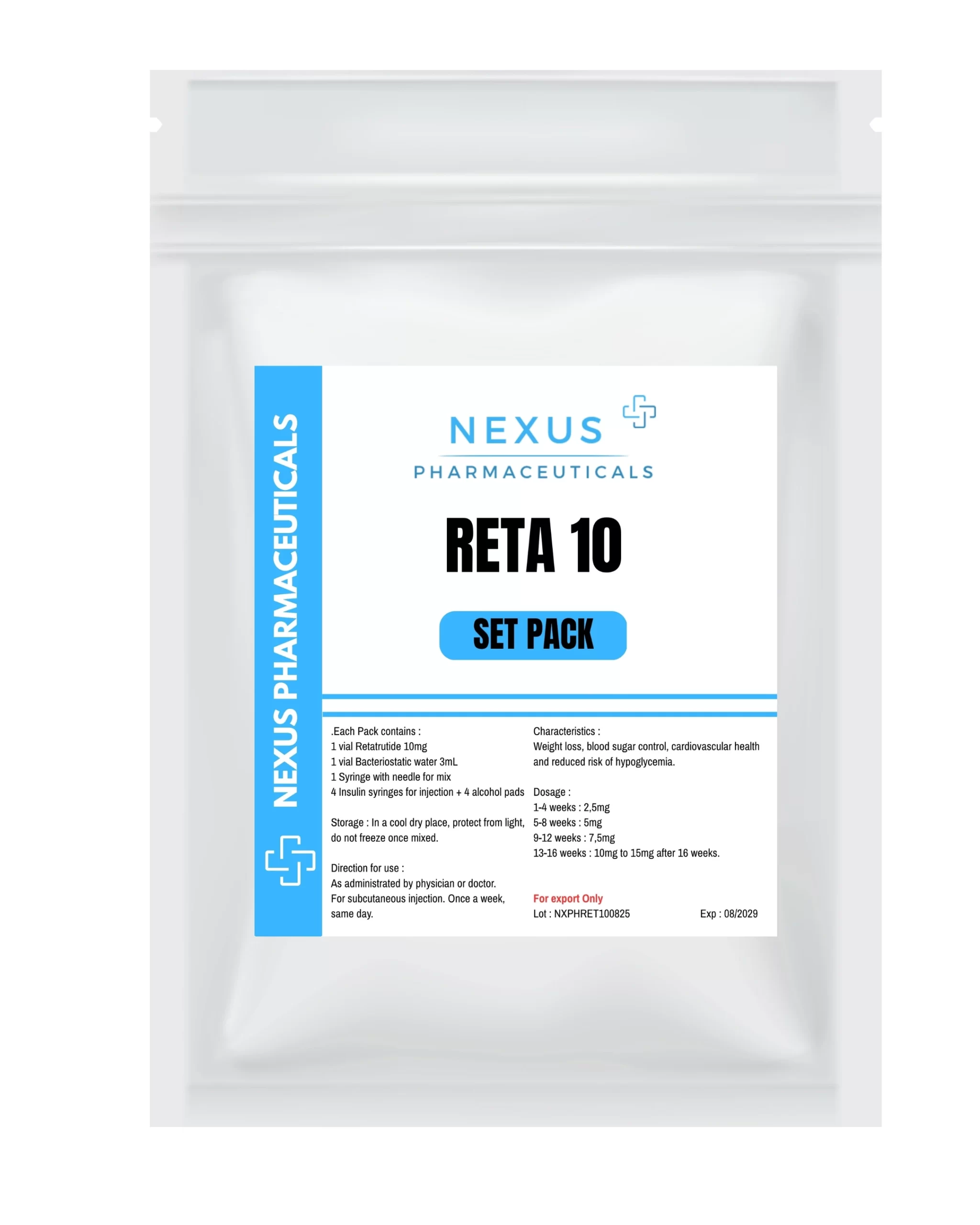
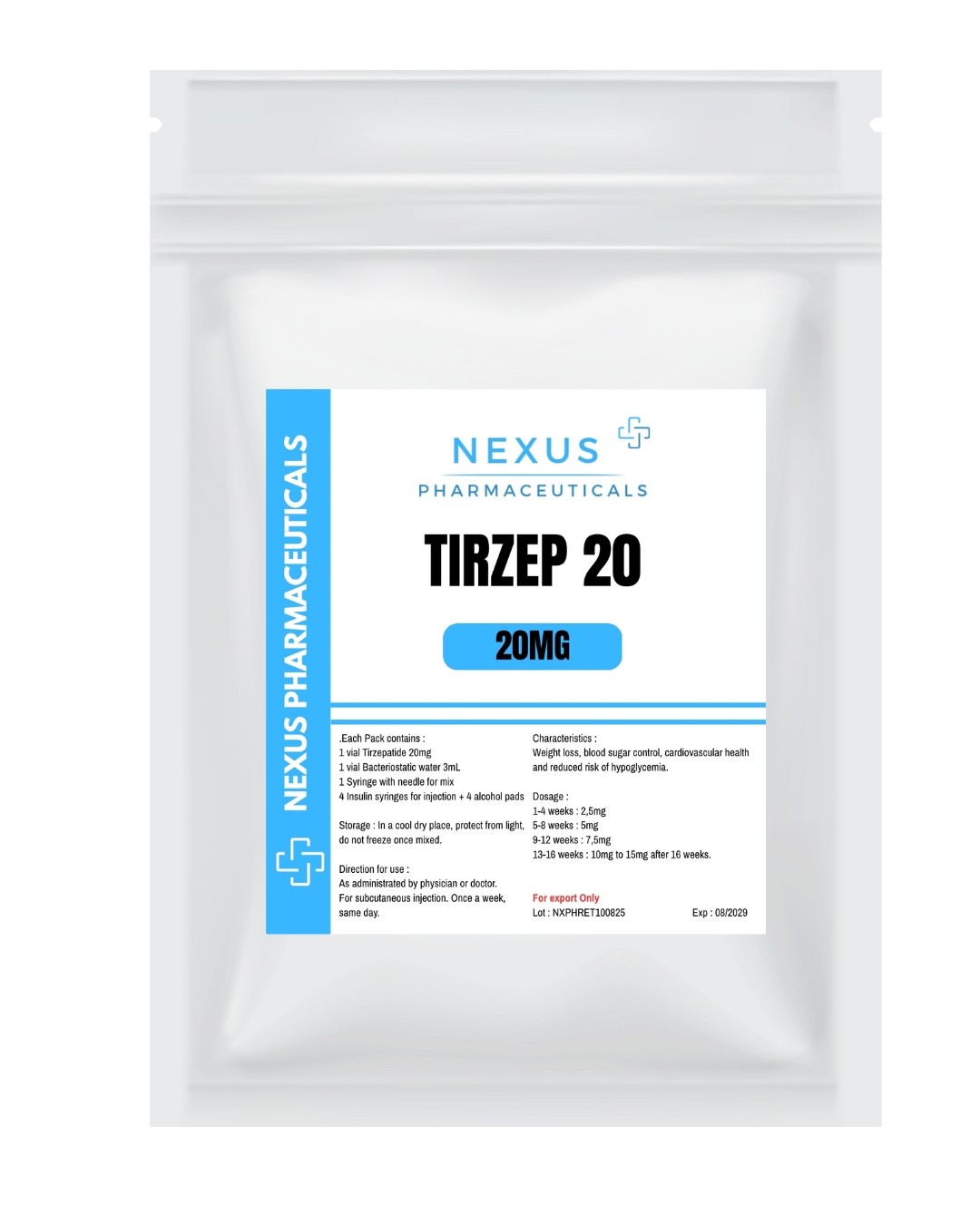
Week 1–4: 2.5 mg once weekly (starting dose)
Week 5–8: 5 mg once weekly
Optional Increase: 7.5 mg → 10 mg → up to 15 mg weekly (only as needed)
Most Common Side Effects
- Nausea
- Vomiting
- Constipation or diarrhea
- Appetite suppression (often excessive)
- Fatigue or low energy (especially during rapid weight loss)