Description
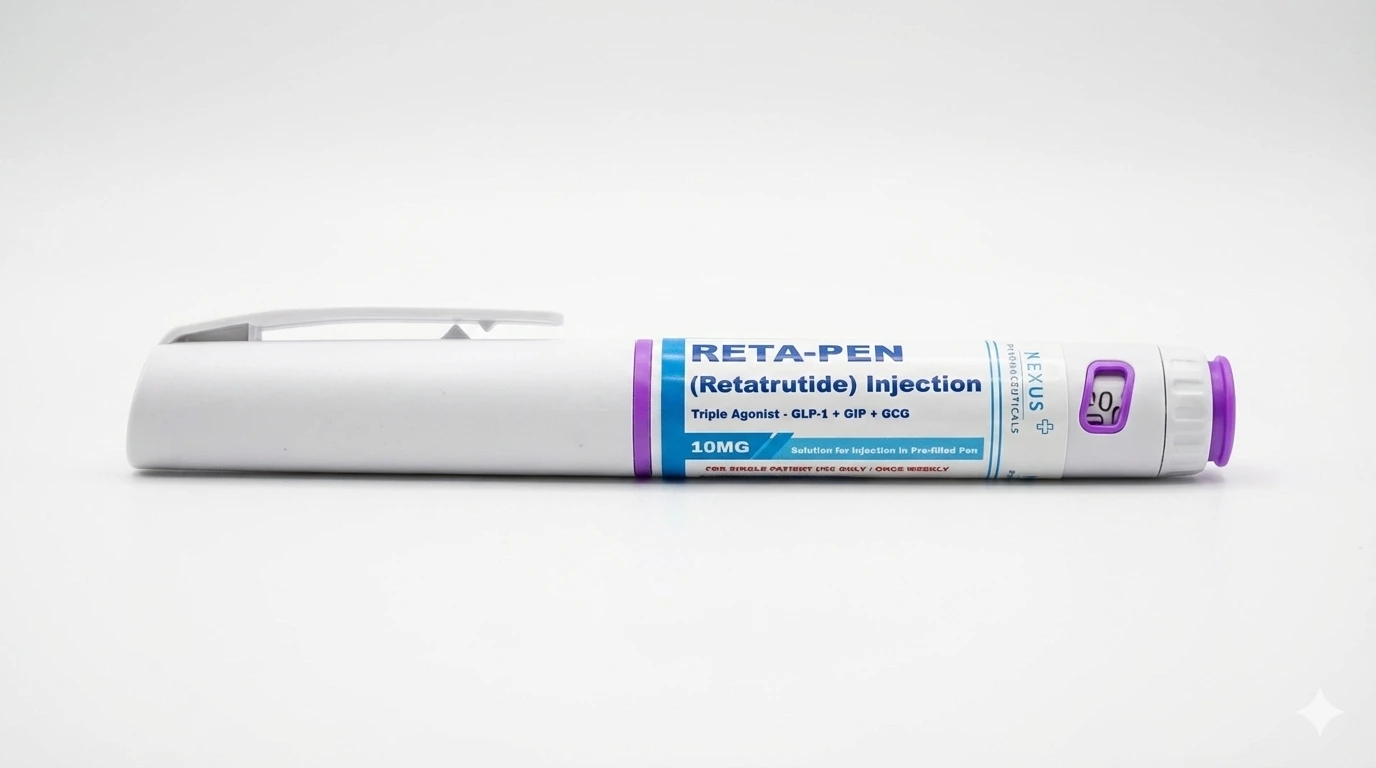
Retatrutide (also known as LY-3437943) is an experimental medication developed by Eli Lilly that is being studied as a next-generation treatment for obesity, overweight, and related metabolic conditions such as type 2 diabetes. It represents a new class of therapies called “triple agonists,” meaning it simultaneously activates three key hormone receptors: GLP-1 (glucagon-like peptide-1), GIP (glucose-dependent insulinotropic polypeptide), and glucagon. This combined activity helps regulate appetite, improve insulin sensitivity, slow gastric emptying to promote fullness, and enhance fat burning.
Retatrutide Dosing Schedule (Clinical Trial Protocols) :
Weeks 1–4 : 2.5 mg, Introductory dose to minimize nausea and GI upset; allows adaptation. Also Bodybuilders and Fitness people prefer to keep this dosage (maintenance)
Weeks 5–8 : 5 mg, Intermediate step; stronger weight loss effects begin to appear; GI symptoms may peak here.
Weeks 9–12 : 7.5 mg, Considered a “therapeutic dose” with significant weight loss outcomes and manageable side effects. Usually maintenance dosage for most people.
Weeks 13+ : 10 mg Highest studied dose; associated with the greatest weight loss (~24% at 48 weeks) but also higher GI burden.
Key Points:
→ Retatrutide is given as a once-weekly subcutaneous injection.
→ Stepwise escalation is critical to reduce gastrointestinal intolerance.
→ Most participants in trials reached 7.5–12 mg weekly, which delivered the strongest results
→ Dosing protocols may be refined in Phase 3 and post-approval, but gradual titration will remain the standard.
Common Side Effects :
Across Phase 2 trials, participants experienced dose-dependent GI symptoms that are characteristic of GLP-1 receptor agonists:
- Nausea — most frequent, especially during dose escalation
- Vomiting — typically mild to moderate, subsiding with continued use
- Diarrhea and constipation — fluctuating depending on individual tolerance
- Abdominal discomfort — transient and often improved over time