Description
Benefits of Nandrolone for Athletes and Bodybuilders :
Why Athletes Turn to Nandrolone for Strength, Size, and Recovery
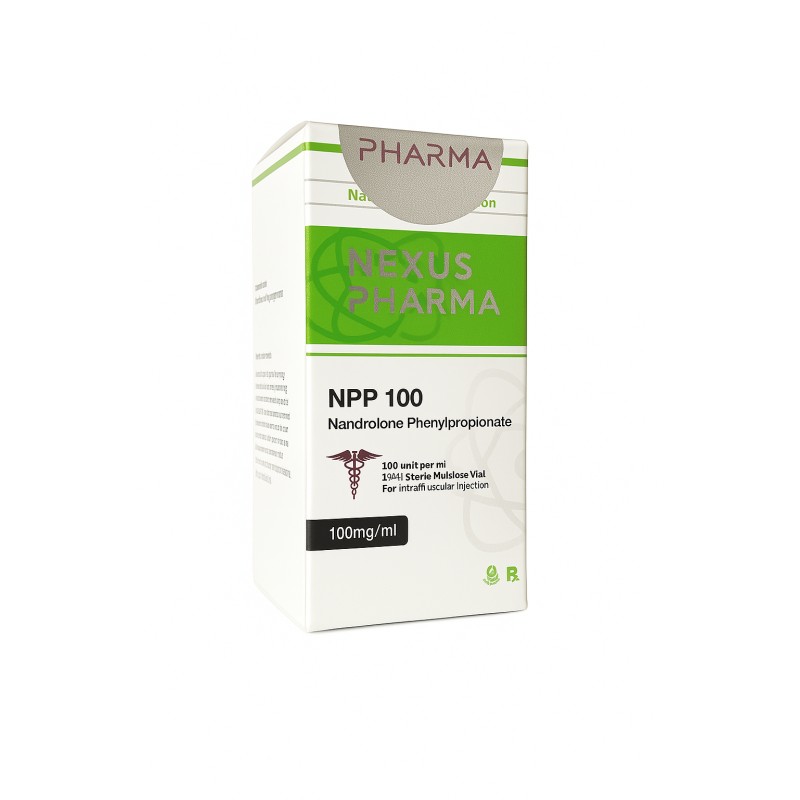
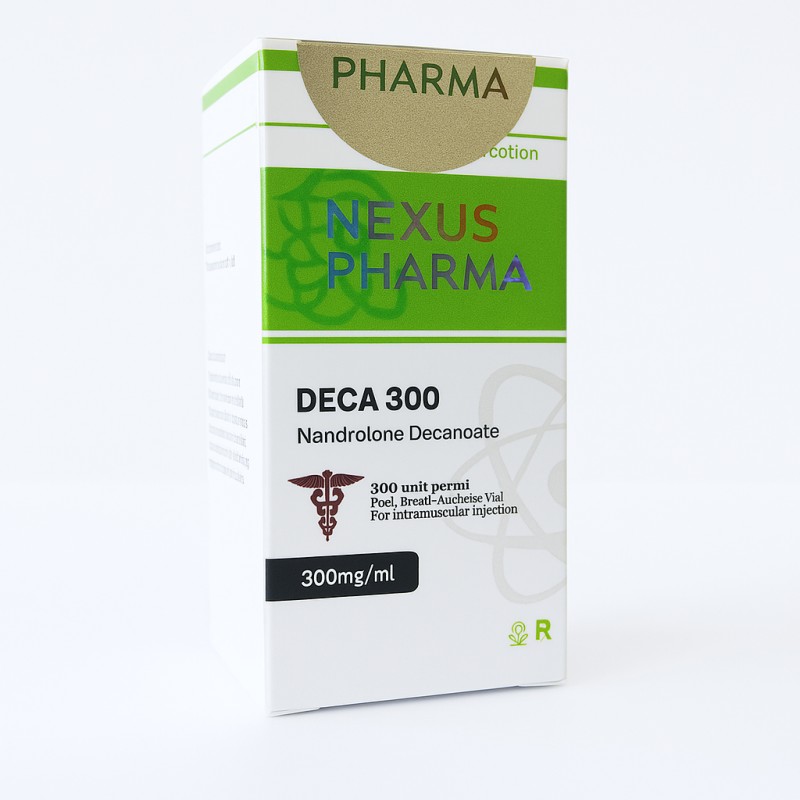
One of the primary reasons athletes and bodybuilders use Nandrolone is its ability to significantly increase lean muscle mass. As a potent anabolic steroid, Nandrolone enhances protein synthesis, which is essential for muscle growth and repair. With consistent training and proper nutrition, users often experience substantial gains in muscle size and strength that are more sustainable than those achieved with other anabolic steroids.
In contrast to steroids that promote rapid mass gains followed by post-cycle muscle loss, Nandrolone allows for gradual, high-quality muscle development, which is easier to maintain after the cycle ends.
- Enhanced Recovery and Reduced Soreness
- Joint Health and Anti-Inflammatory Support
Medical Uses of Nandrolone :
- Osteoporosis Treatment
- Anemia Management
- Hormone Therapy for Breast Cancer
Beginner Dosage:
200–300 mg per week
Allows assessment of tolerance with lower risk
Intermediate to Advanced Dosage:
400–600 mg per week
More pronounced muscle and strength gains
To maintain stable blood hormone levels, doses are typically split into two injections per week. For example, a 400 mg weekly dose may be split into two 200 mg injections taken 3–4 days apart.
Cycle Duration :
8–12 weeks is the standard range
Prolonged use increases the risk of testosterone suppression and cardiovascular damage
Bloodwork and Health Monitoring :
Pre-cycle blood tests to establish a health baseline
Mid- and post-cycle labs to track hormone levels, liver enzymes, and lipids
Regular monitoring can detect and prevent complications early
Post-Cycle Therapy (PCT) :
After discontinuing Nandrolone, a proper PCT protocol helps reignite natural testosterone production. Common PCT medications include:
- Clomid (clomiphene citrate)
- Nolvadex (tamoxifen citrate)
These agents stimulate LH and FSH production, signaling the testes to resume testosterone output. PCT generally lasts 4–6 weeks, depending on the level of suppression (Rahnema et al., Mayo Clinic Proceedings).